
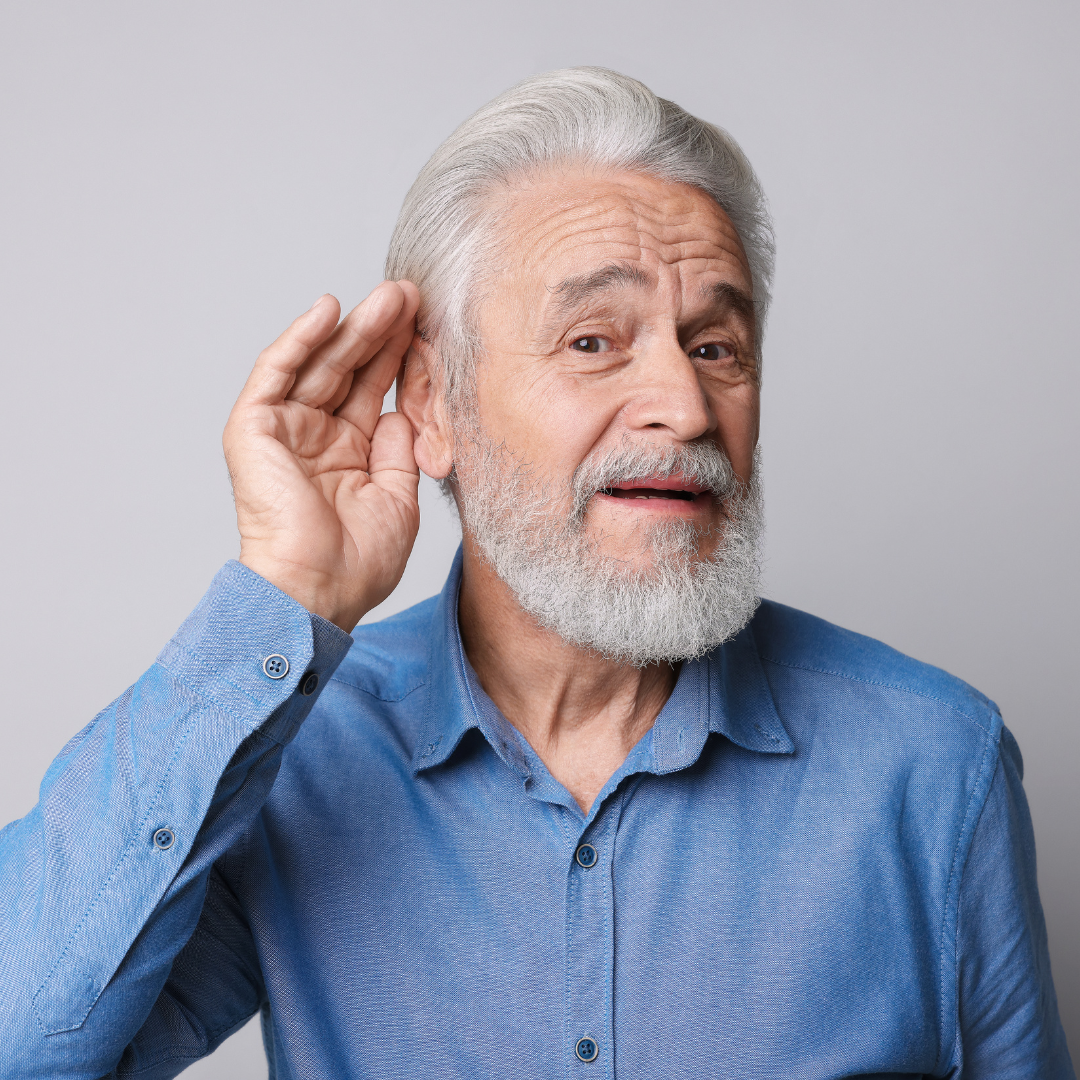
The sudden loss of auditory sensitivity in one ear is frightening and frequently leaves patients unsure of how to seek care. Our audiology clinic offers prompt diagnostic hearing testing and coordinates emergency medical evaluations whenever sudden hearing changes develop. A sudden hearing loss always warrants immediate assessment by a hearing specialist to evaluate therapeutic options or personalized rehabilitation.
Understanding Sudden Hearing Loss as a Time-Sensitive Emergency
Yes, without question. Experiencing sudden hearing loss on one side constitutes a clinical emergency, especially when the drop happens over hours or a couple of days. Clinically termed sudden sensorineural hearing loss or sudden deafness, this condition originates within the delicate inner ear or cochlear nerve pathways. It often occurs without pain and may be mistaken for congestion or a plugged ear.
Typical warning signs include:
- A rapid unilateral loss of sound volume and word distinction
- Difficulty hearing through one ear during a phone call
- An acoustic pop or distinct feeling of canal fullness heralding the auditory change
- Acute tinnitus presenting as ringing, roaring, or buzzing localized to the compromised ear
- Co-occurring vestibular symptoms such as room-spinning vertigo, lightheadedness, or unsteadiness
Avoid waiting passively to see whether normal hearing thresholds return independently. Connect with our clinical team, a local urgent care center, or an ENT specialist for urgent, same-day assessment.
Why Rapid Clinical Intervention Matters for Sudden Unilateral Hearing Loss
Early evaluation matters because treatment for sudden sensorineural hearing loss is generally most useful when it begins promptly. We must immediately determine if the loss is conductive—stemming from earwax blockage or middle-ear pathology—or sensorineural, signifying inner ear or neural involvement. Although both diagnostic categories produce comparable subjective sensations, their medical management differs completely.
Otoscopic examination and full-battery diagnostic hearing testing determine the specific classification, audiogram pattern, and severity of the hearing loss.
Go to an emergency medical facility immediately if sudden hearing loss presents in conjunction with:
- Acute facial nerve weakness, asymmetrical drooping, or numbness
- Inability to formulate words, sudden mental confusion, or a severe, atypical headache
- Unexplained diplopia, syncopal episodes, or severe physical difficulty walking
- Severe chest pain, shortness of breath, or critical emergency symptoms
Such clinical findings often indicate an urgent vascular or central neurological emergency that cannot wait for an outpatient appointment.
Understanding the Underlying Causes of Sudden Unilateral Deafness
In most clinical diagnoses of sudden sensorineural hearing loss, the precipitating cause remains completely idiopathic. In cases where an etiology is successfully uncovered, it frequently involves localized inflammation, physical trauma, microvascular compromise, autoimmune pathology, or auditory nerve disorders.
Documented clinical etiologies include:
- Acute viral labyrinthitis or bacterial infections
- Head trauma or exposure to an intense sound
- Systemic autoimmune disease or autoimmune inner ear disease (AIED)
- Prescription drug ototoxicity impacting the auditory receptor cells
- Vascular disruptions, arterial thrombosis, or reduced labyrinthine blood flow
- Idiopathic inner ear conditions including fluctuating Ménière’s disease
- Demyelinating neurological diseases like multiple sclerosis
- A growth on the hearing and balance nerve
Given that subjective symptoms cannot distinguish between these conditions, rapid clinical evaluation and audiologic testing are vital.
Medical Management and Interventions for Sudden Sensorineural Hearing Loss
Systemic or topical corticosteroids represent the standard clinical intervention for idiopathic sudden sensorineural hearing loss. These medications may be prescribed orally or delivered through intratympanic injections across the tympanic membrane to access inner ear fluids directly. Therapeutic recommendations are established by our clinical providers, incorporating symptom onset timeframes, audiometric thresholds, underlying systemic health, and adverse effect profiles.
Corticosteroid therapy is standardly initiated within the first two weeks post-onset, making it vital to commence treatment as early as clinically feasible. Serial intratympanic steroid injections can also be utilized as a secondary salvage therapy if initial oral treatment achieves incomplete recovery. For qualifying clinical cases, an ENT physician may evaluate hyperbaric oxygen therapy (HBOT) administered concurrently with high-dose steroids.
Prognosis and Spontaneous Recovery in Sudden Unilateral Hearing Loss
Patients with sudden sensorineural hearing loss can sometimes experience spontaneous recovery without clinical intervention. Approximately fifty percent of affected patients see some or all of their hearing return on its own, usually within one to two weeks of onset. Still, there is no clinical way to predict at symptom onset who will experience spontaneous recovery, how much hearing will be regained, or whether stability will persist.
Anticipating spontaneous recovery is not a justifiable clinical rationale for postponing prompt care. Therapeutic success diminishes significantly if care begins weeks after the incident, meaning delays can permanently eliminate an important window of recovery. Overall auditory recovery can range from full restoration and partial improvement to negligible recovery.
Long-Term Solutions When Sudden Hearing Loss Does Not Recover
When medical therapy fails to restore hearing, secondary strategies are determined by residual pure-tone thresholds, word-recognition performance, and diagnostic rule-out testing. We often coordinate a contrast-enhanced MRI study or an auditory brainstem response test to evaluate the vestibulocochlear nerve pathway.
Advanced long-term management strategies feature:
- A traditional hearing aid when the ear retains usable hearing
- A CROS system that sends sound from the poorer ear to the better ear
- Bone-conduction hearing implants or transcutaneous bone processors for suitable clinical patients
- Cochlear implantation for medically and audiologically eligible candidates presenting with single-sided deafness (SSD)
- Dedicated assistive listening technology engineered for challenging workplace, classroom, or group conversations
Comprehensive audiologic rehabilitation helps remediate mental listening fatigue, spatial sound localization deficits, and everyday communication barriers. Choosing the best rehabilitative device hinges upon clinical hearing test scores, communication environments, medical background, and individual preferences.
Arrange an Emergency Hearing Evaluation
When hearing changes abruptly today or within the preceding few days, obtain same-day medical advice rather than scheduling a routine visit. We provide immediate diagnostic hearing evaluations, analyze bilateral auditory thresholds, review symptom chronology, and collaborate with an ear, nose, and throat specialist or medical provider.
Contact our audiology practice today to schedule an urgent hearing appointment.